
A blocked stormwater drain that clears and then blocks again in the same metre of pipe usually isn’t a debris problem. Something is sitting inside the line catching everything that comes past it, and it’ll keep doing that until someone takes it out.
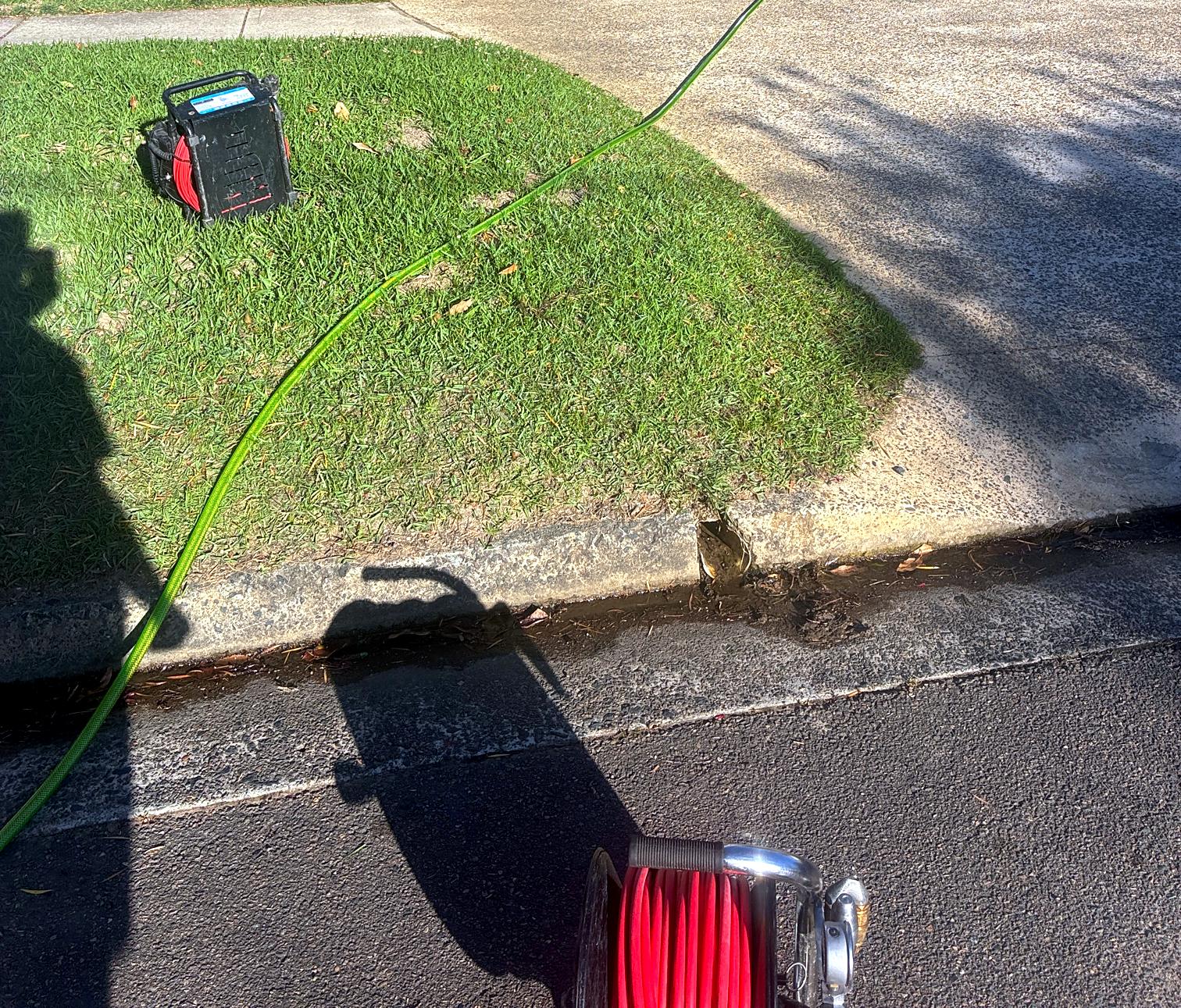
I went to a place in Balgowlah Heights in October, just up the hill from Manly, where the stormwater was barely running. The line goes from the kerb outlet at the front, through a strip drain in the carport, and into the base of the carport downpipe. There was flow, but only just.
There were leaves in it, and leaves weren’t the reason.
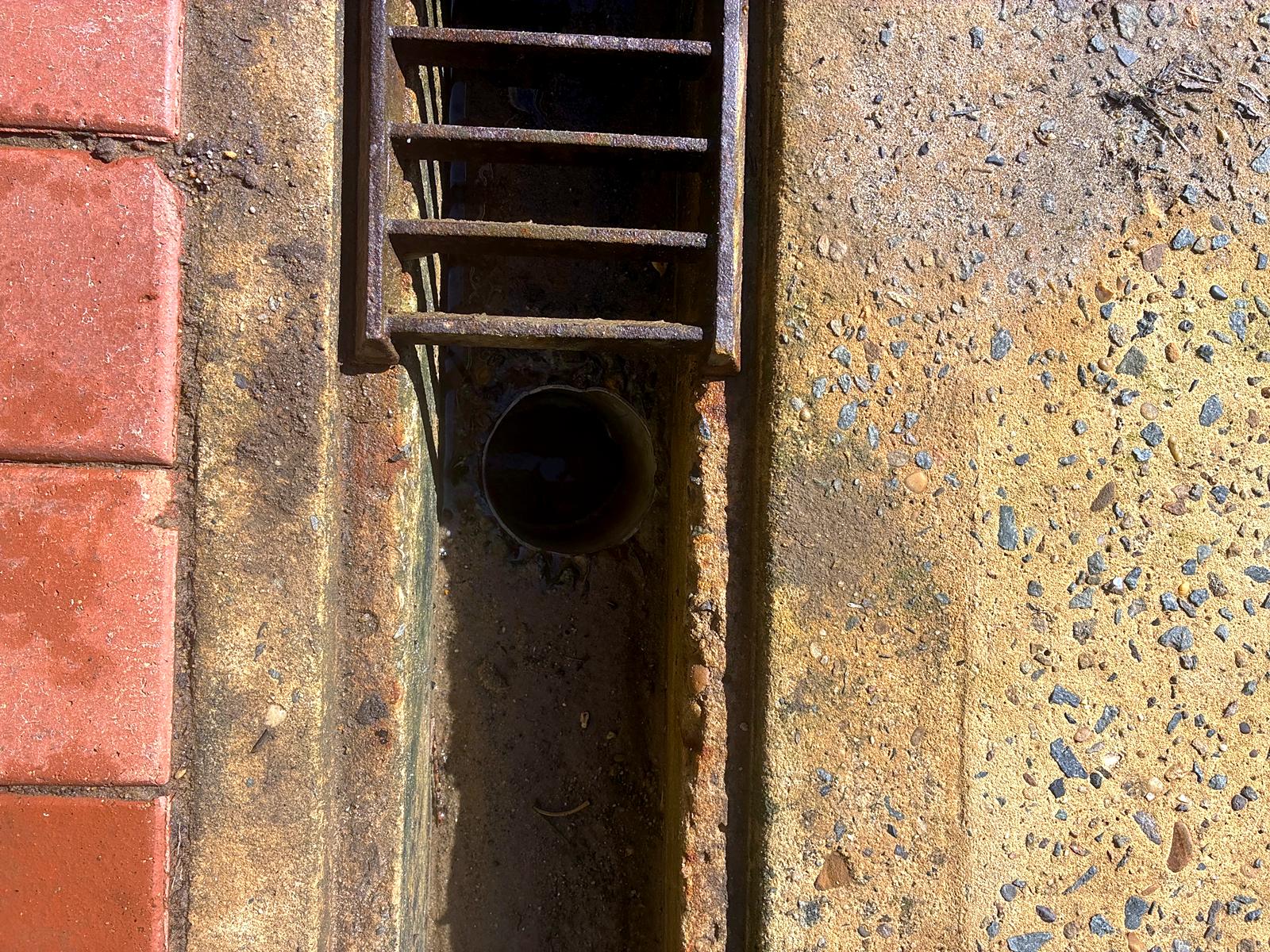
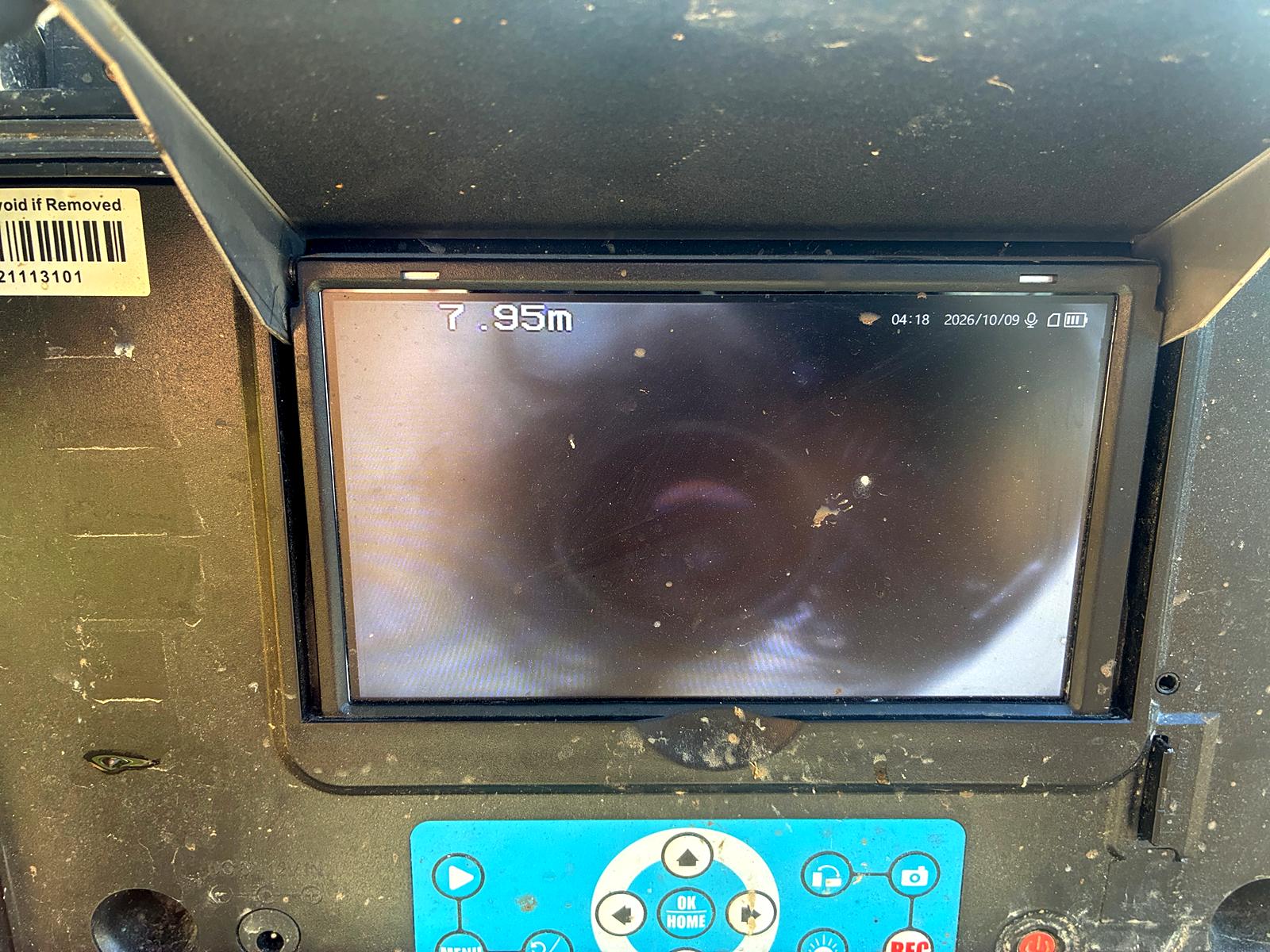
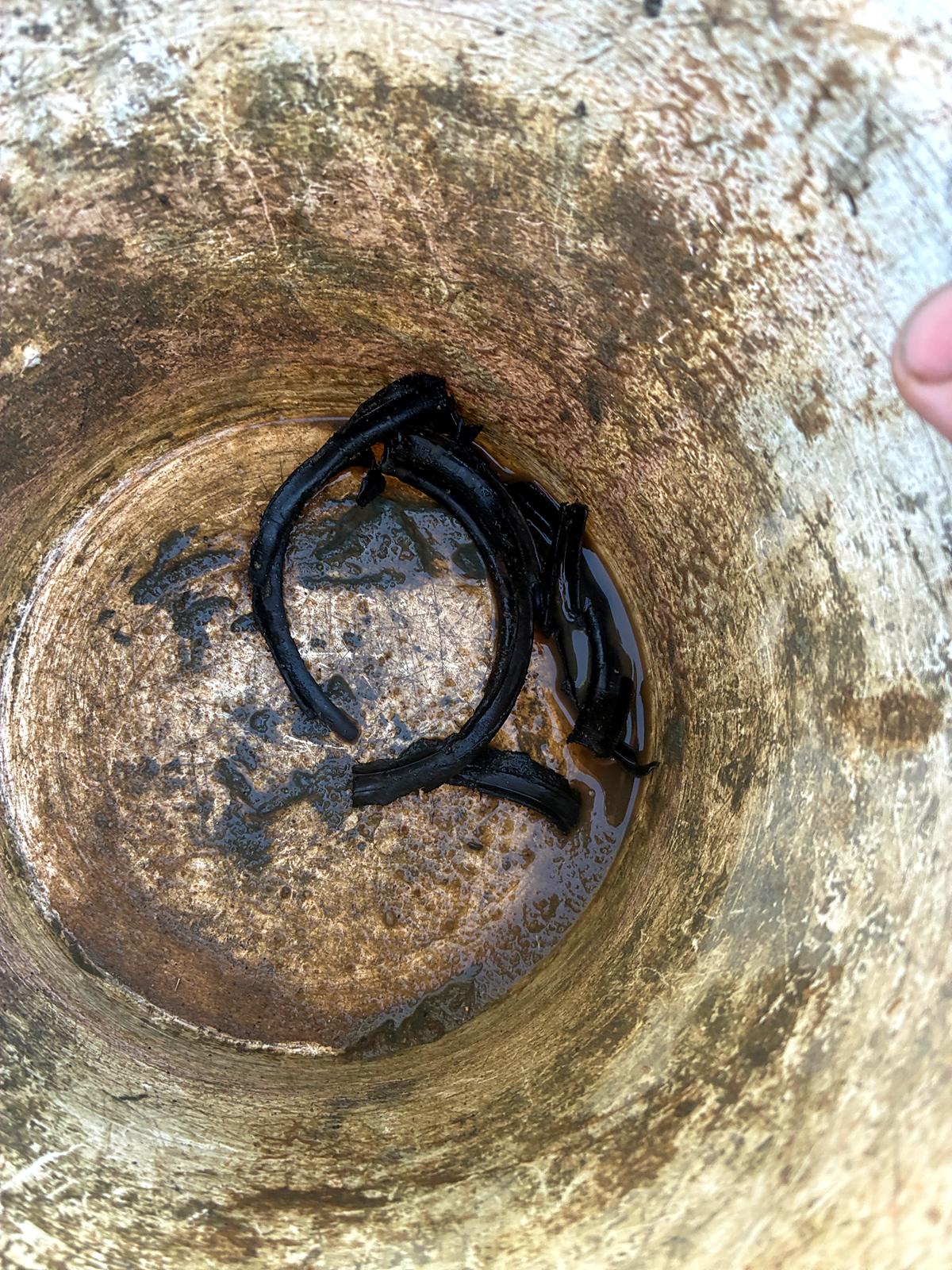
When the agg line was connected, it had been pushed too far through the junction arm, so a length of it was sitting inside the stormwater pipe in the path of the water.
That protruding section worked like a strainer. Water carrying grit and leaf matter hit it, some caught, and the rest banked up behind. You end up with a plug of sediment in the same place no matter how often the line gets cleared.
I trimmed the protruding section back with a cutting head so the junction ran clear, then flushed the line and took the sediment out with it.
Because something is physically in the way. Clear a debris blockage and whether it comes back depends on the trees and the weather, and it won’t necessarily come back in the same place. An obstruction inside the pipe repeats in the same spot until someone deals with it.
That difference decides whether you’re paying to clear a line every year or paying once to sort it out.
Stormwater and sewer are separate systems. Stormwater takes rain, off the roof through the downpipes and off the paving through grates and strip drains, plus groundwater out of the agg lines. It runs to the kerb, a pit, or a legal point of discharge, and nothing treats it on the way.
That’s why a stormwater problem turns up as water in the wrong place rather than a smell, and why chemicals don’t belong down a stormwater grate.
The job above was an installation fault. The other causes worth knowing:
An agg drain, short for aggregate, is the perforated pipe that sits in gravel behind retaining walls, under garden beds, alongside slabs and under paving. It handles groundwater rather than roof water, collecting what’s in the soil and taking it away before it sits against your footings.
That water has to go somewhere, so the agg line usually ties into the stormwater system. Done properly it meets a junction and stops there. Done in a hurry, the agg pipe gets fed through the junction and keeps going into the stormwater line. Nobody sees it, because the trench gets backfilled and that’s the end of it.
Four things worth checking:
A camera down the line answers it.
Often not. Trimming a protruding pipe and flushing the line costs a fraction of what it takes to excavate and remake a junction, and it’s the right move when the pipe is sound and the problem is something sitting inside it.
Digging is the answer when the line has collapsed, when the fall is wrong so water sits rather than runs, or when roots have got in through a break. Those are different problems with different fixes, which is why the camera goes down before anyone picks up a shovel.
If roots are the cause rather than sediment, they get in a different way and need a different fix, which is covered in blocked drains on the Northern Beaches.
Have a go at clearing the grate and the gutters above it, then run a hose into the line and see whether water backs up straight away or takes a while. How quickly it backs up tells you roughly how far along the problem sits.
Drain chemicals are a waste of money here. They’re made for sinks, they do nothing to silt or a pipe that’s out of shape, and stormwater runs untreated to the waterway.
Be careful with a hired jetter. In a sound pipe it’s fine, but in an old or cracked line it can turn a restriction into a repair, and you won’t know which one you’ve got until something is down there with a camera.
The first two are a visit, the last two are a project, and the camera is what tells you which one you’re looking at.
Clean the gutters before the storm season rather than after the first downpour, and keep grates and pit lids clear and sitting properly. If the line has silted up once, ask when it should be checked again, because a line that silts has usually got a reason behind it.
This version of the problem only happens while a trench is open, so it’s the easy one to avoid.
If a retaining wall, carport, pool or any serious landscaping is going in, the agg drainage will be connected to your stormwater at some point. That’s the moment to ask how it’s being joined, and to have someone look before it gets backfilled. A camera down the line while the ground is open costs very little next to finding it years later.
It depends on the length of the run, how many junctions and pits there are, where the access points sit and what the camera shows. I’d rather look first and then quote than put a number on a line I haven’t seen.
If you want a sense of the range for a straightforward blockage before you call anyone, there’s a separate piece on what a blocked drain costs in Sydney.
Tell me what you’re seeing and where, on 0423 123 842. If it blocks in the same spot each time, say so, because that detail usually tells us what we’re dealing with before I arrive.
Either more water is arriving than the line can take, or something downstream of it is restricting flow. If the overflow happens in light rain as well as heavy, suspect a restriction rather than capacity.
Yes, when it’s connected badly. An agg pipe pushed through the junction sits in the flow and catches sediment, which is exactly what happened on this job.
It depends on the length of the line, where the access points are and what the camera finds. A clear and flush is a different job to remaking a junction, which is why I quote after looking rather than before.
The drainage on your property is generally yours, including the line to the kerb outlet or the connection point. Responsibility past the boundary depends on the system and the council. That’s a plumber’s summary, not legal advice.
Not usually as a first step. Most of this work happens through existing access points with a camera and a cutting head. Excavation is a decision made after looking, not before.
Plumbing Licence No. 346 268C
© 2026 Kelly's Plumbing & Drainage, All Rights Reserved.